How Can Humans Reduce the Problem?

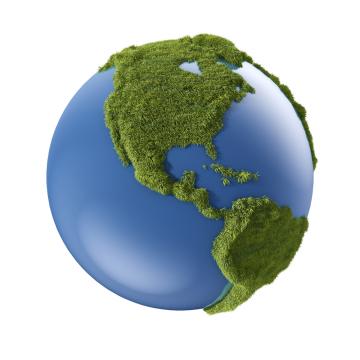
Earth as it was naturally before humans

People have been realizing more and more that we cannot keep treating the earth as we have. There are many ways that we can reduce the damage that humans are putting on the earth, including burning less fossil fuels, finding alternative power sources that are safer for the environment, putting more species on the protected species list, making more land and ocean areas protected areas, and more. Humans can also start living more conservatively by recycling, using less water, having better power sources, using less plastic, and more. All of these listed together might seem impossible or too much, too fast, but they are possible with time. Even small changes in lifestyles can help reduce damage, but to truly start healing the damage that has been done, larger actions are needed. If we do begin to plan for the future, we will not have one as so many species on earth will be gone by then. If humans do not look at their actions and see that they need to drastically change, we will run out of time. If we can start now, we can save countless species and ecosystems.

Thank you!

Thank you so much for taking the time to learn about the Earth and how species are affected on a daily basis. By making small changes in everyday life, we can begin to heal the earth from the damage that humans have been causing for many decades. Hopefully we can start making larger changes in the world that will help reverse most of the damage that is being done.

Works Cited

2014. “What is Climate Change?” NASA. https://www.nasa.gov/audience/forstudents/k-4/stories/nasa-knows/what-is-climate-change-k4.html

2019. “Climate Change.” U.S. Global Change Research Program. https://www.globalchange.gov/climate-change

2019. “Basic Facts About Salmon.” Defenders of Wildlife. https://defenders.org/salmon/basic-facts

2018. “Ocean Acidification.” Reef Resilience Network. http://reefresilience.org/coral-reefs/stressors/ocean-acidification/

2019. “All About Orchids.” American Orchid Society. http://www.aos.org/orchids.aspx

Arnold, Carrie. 2014. “Fish Smell like the Coral they eat – disguise is New to Science.” National Geographic. https://news.nationalgeographic.com/news/fish-smell-like-the-coral-they-eat-disguise-is-new-to-science/

Biello, David. 2007. “10 Solutions for Climate Change.” Scientific American. https://www.scientificamerican.com/article/10-solutions-for-climate-change/

Dore, Mohammed H.I. 2005. “Climate change and changes in global precipitation patters: What do we know?” Environmental International. Vol. 31, Iss. 8. https://www.sciencedirect.com/science/article/pii/S0160412005000553

Google Images

Klein, Steven. 2019. “How Vulnerable Are Salmon to a Changing Climate?” U.S. Climate Resilience Toolkit. https://toolkit.climate.gov/case-studies/how-vulnerable-are-salmon-changing-climate

Mitchell and Tanner. 2006. “Climate Change and its Impact of Orchid Productivity.” Commercial Orchids. https://www.degruyter.com/downloadpdf/books/9783110426403/9783110426403.8/9783110426403.8.pdf

USGCRP. 2016. “The Impacts of Climate Change on Human Health in the U.S.” Climate and Health Assessment. https://health2016.globalchange.gov/

Vowles, Neil. 2018. “New Study shows climate change is wreaking havoc on delicate relationship between orchids and bees.” Phys Org. https://phys.org/news/2018-04-climate-wreaking-havoc-delicate-relationship.html